
Traveling from Bali to Ijen Crater is a popular adventure that involves a scenic land and ferry journey, taking approximately 7–8 hours in total. Most travelers depart from southern Bali, cross by ferry from Gilimanuk to Ketapang, and then drive to Ijen’s base in Banyuwangi to witness the iconic blue fire phenomenon during a guided night trek.
- The journey from Bali to Ijen Crater typically takes between 7 and 8 hours, including land and ferry transfers.
- Most travelers start in South Bali, travel by car or bus to Gilimanuk Port, then take a short ferry to East Java.
- Ijen Crater is famous for its rare blue fire, which is best viewed on a night trek guided by local experts.
- Visiting Ijen is best done with a tour package for safety, convenience, and to meet park regulations.
- Travelers should prepare for cold temperatures and physically demanding trekking conditions.
How Do You Get from Bali to Ijen Crater?
The standard route from Bali to Ijen Crater begins with a transfer from popular tourist areas in Bali, such as Kuta, Seminyak, or Ubud, to Gilimanuk Port in West Bali. From Gilimanuk, travelers board a ferry to Ketapang Port in Banyuwangi, East Java, which takes about 1 hour. After arriving in Ketapang, it’s a 1.5–2 hour drive to the Paltuding base camp, the starting point for the Ijen trek. Many opt for organized tour packages that handle all transfers, entrance fees, and guides for convenience and safety.
Private cars, shared minivans, and buses are available for the Bali-Gilimanuk segment, with most tours including hotel pickup. The ferry between Gilimanuk and Ketapang operates 24 hours a day, departing every 30–60 minutes. Once in Banyuwangi, local drivers or tour operators transport visitors to the Ijen National Park entrance. For independent travelers, combining public buses and taxis is possible, but requires more planning and time.
What Makes Ijen Crater a Must-Visit from Bali?
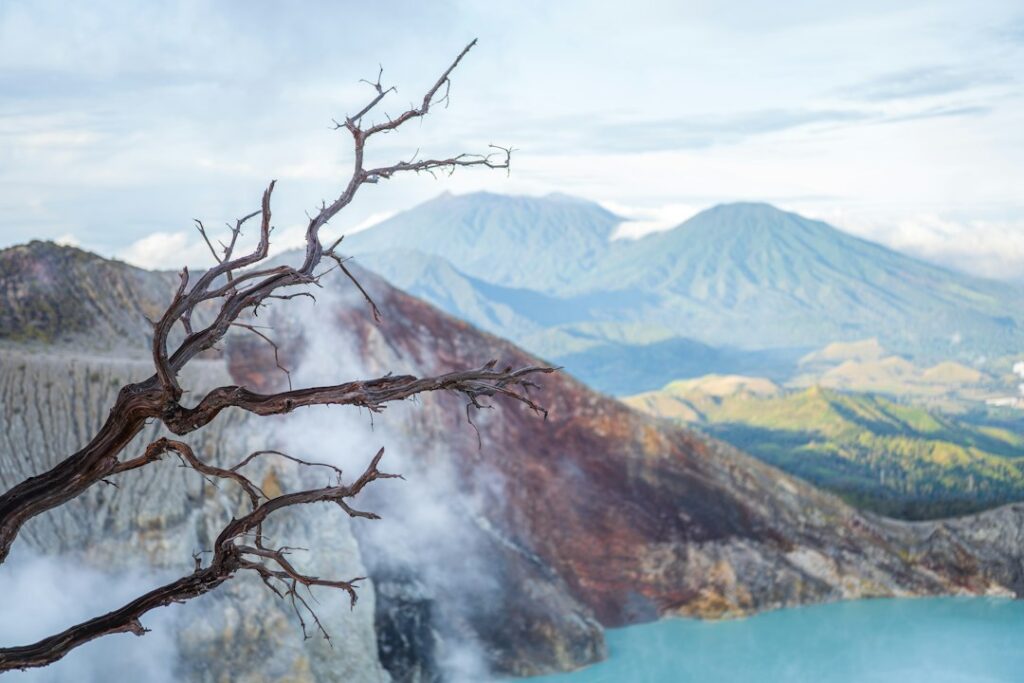
Ijen Crater, also known as Kawah Ijen, is globally renowned for its mesmerizing blue fire, a rare natural phenomenon caused by ignited sulfuric gases. The crater also features a turquoise acidic lake, the largest of its kind in the world, set against dramatic volcanic scenery. For travelers based in Bali, Ijen offers a unique opportunity to witness both geological wonders and the traditional sulfur mining operations on the crater floor.
Unlike Bali’s beaches and temples, Ijen Crater provides a raw, adventurous experience in East Java’s highlands. The combination of a challenging night hike, otherworldly blue flames, and the sunrise over the crater rim makes this destination a highlight for nature lovers, photographers, and adventure seekers.
What Is the Best Time to Visit Ijen Crater from Bali?
The best time to visit Ijen Crater is during the dry season, which runs from April to October, according to the Indonesian Meteorological Agency. This period offers clearer skies, safer trekking conditions, and better visibility for both the blue fire and sunrise views. The rainy season (November to March) can make trails slippery and increase the risk of landslides, sometimes leading to temporary park closures.
Most tours depart Bali in the afternoon or evening, aiming to reach Ijen’s base camp around midnight. This timing allows visitors to start the trek at 1–2 AM and reach the crater floor in time to see the blue fire before sunrise. Temperatures at the crater rim can drop below 10°C , so warm clothing is essential.
What Should You Prepare for the Ijen Crater Trek?
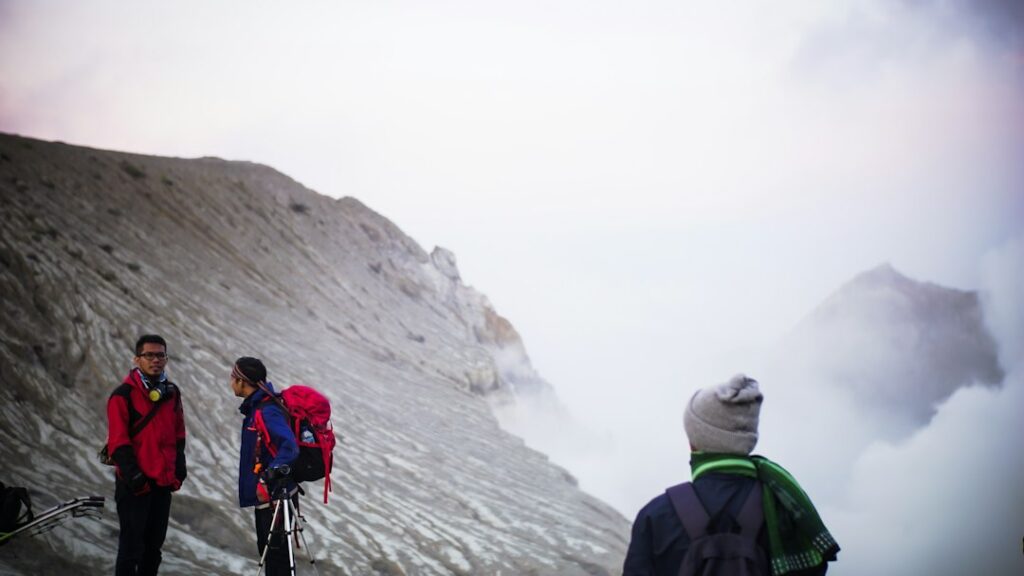
A successful trip from Bali to Ijen Crater requires proper preparation, as the trek is physically demanding and conditions can be harsh. The hike from Paltuding base camp to the crater rim covers about 3 kilometers with a steady incline, taking 1.5–2 hours for most travelers. The descent into the crater to see the blue fire is steep and rocky, requiring good footwear and caution.
- Warm clothing: Temperatures at night are cold, especially near the summit.
- Sturdy hiking shoes: The trails are rocky and can be slippery.
- Gas mask: Sulfur fumes are strong near the crater; reputable tours provide masks.
- Headlamp or flashlight: The trek begins in complete darkness.
- Snacks and water: There are no shops on the mountain.
Travelers with respiratory issues should consult a doctor before attempting the trek due to sulfur exposure. Children are generally not recommended to descend into the crater, per local ranger advice as of-.
How Much Does a Bali to Ijen Crater Tour Cost?
The cost for a Bali to Ijen Crater tour package varies based on group size, transportation mode, and inclusions. Most group tours range from 135 USD per person, covering transfers, ferry tickets, park entry fees, guide services, and gas masks. Private tours are more expensive but offer flexibility and personalized service.
Independent travel can reduce costs but may involve more logistical challenges. The Ijen National Park entrance fee is set by local authorities and is higher for foreign tourists than for Indonesians, with additional charges for holiday periods
Why Book an Ijen Tour Package from Bali?
Booking a tour package from Bali to Ijen Crater offers several advantages. Reputable operators, such as “Ijen Tour – Blue Fire Ijen,” provide seamless door-to-door service, experienced guides, and safety equipment, ensuring a hassle-free and safe adventure. Packages also typically include hotel pickup and drop-off, ferry tickets, and all park permissions, which simplifies planning and compliance with national park regulations.
Guides from “Ijen Tour – Blue Fire Ijen” are familiar with the mountain’s unique risks, including sudden weather changes and volcanic fumes, and can assist in emergencies. For first-time visitors, a guided tour is strongly recommended for both safety and to maximize the experience.
Conclusion: Start Your Adventure from Bali to Ijen Crater Today
Traveling from Bali to Ijen Crater is a rewarding journey that combines scenic landscapes, unique volcanic phenomena, and cultural insights. Whether you’re drawn by the legendary blue fire or the breathtaking sunrise views, Ijen offers an unforgettable experience just a few hours from Bali. Prepare well, travel safely, and consider booking a reputable tour package for the best adventure. Ready to see the blue fire up close? Contact Ijen Tour – Blue Fire Ijen to plan your trip and make your East Java adventure a reality!
Frequently Asked Questions
How long does it take to travel from Bali to Ijen Crater?
The journey from Bali to Ijen Crater usually takes about 7 to 8 hours, including both land and ferry transfers. This time estimate covers travel from southern Bali to Gilimanuk Port, the ferry crossing to Ketapang, and the drive to the Ijen base camp in Banyuwangi.
What is the best way to get from Bali to Ijen Crater?
The most convenient way is to book an organized tour package that includes hotel pickup, all transfers, ferry tickets, entrance fees, and a guide. Independent travel is possible using public buses and taxis, but it requires more planning and coordination.
What should I bring for the Ijen Crater trek?
You should bring warm clothing for cold nighttime temperatures, sturdy hiking shoes for rocky paths, a gas mask for sulfur fumes, a headlamp or flashlight for the dark trek, and enough snacks and water since there are no shops on the mountain.
Is it safe to visit Ijen Crater with children?
Children are generally not recommended to descend into the crater due to safety concerns, as advised by local rangers. The trek is physically demanding and involves exposure to sulfur fumes, so families should carefully consider these factors before planning the trip.