
The Ijen Volcano Tour takes you on an adventurous journey to Mount Ijen in East Java, renowned for its mesmerizing blue fire phenomenon and breathtaking turquoise crater lake. This guided tour lets you witness one of the world’s rarest natural wonders, explore volcanic landscapes, and learn about traditional sulfur mining, making it a must-do for nature lovers and adventure seekers.
- The Ijen Volcano Tour offers a unique opportunity to witness the rare blue fire phenomenon found only in two places on Earth.
- Tourists can trek to the crater rim and descend into the caldera to see the turquoise acid lake up close.
- Local sulfur miners work in challenging conditions, providing cultural insights for visitors.
- Proper preparation and timing are essential for a safe and enjoyable Ijen experience.
What Makes the Ijen Volcano Tour Unique?
The Ijen Volcano Tour is unique because Mount Ijen is one of the very few places in the world where you can see the “blue fire” phenomenon, caused by ignited sulfuric gases escaping from cracks in the volcano at high temperatures. This natural spectacle, combined with the surreal turquoise crater lake and the sight of local sulfur miners, creates an adventure unlike any other in Indonesia.
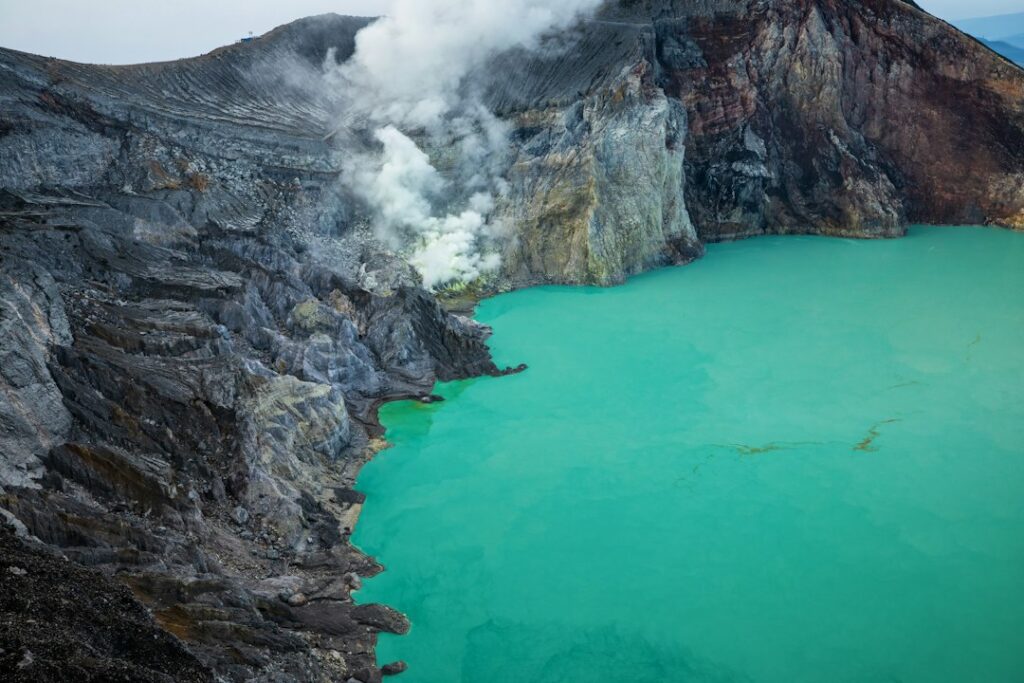
Mount Ijen, officially known as Kawah Ijen, rises to an elevation of – meters above sea level and is located within the Ijen-Merapi Merapi Volcano Complex in East Java. The crater lake is recognized as the largest highly acidic volcanic lake on the planet, with a striking turquoise color resulting from its high sulfur content.
- Blue Fire Phenomenon: Best observed between midnight and dawn, the blue flames attract photographers and travelers from around the globe.
- Sulfur Mining: Local miners extract bright yellow sulfur, carrying loads weighing up to 50 – 70kg down the mountain daily.
- Biodiversity: The surrounding national park is home to rare flora and fauna, making the trek not just scenic but also ecologically significant.
How Do You Get to Mount Ijen for the Tour?
To reach Mount Ijen, most travelers start from either Banyuwangi or Bondowoso in East Java. The nearest airport is Banyuwangi International Airport, which offers regular connections from major Indonesian cities. From Banyuwangi, it’s a 1 hour drive to Paltuding, the main base camp for the Ijen trek.
Organized tours typically include private transportation from your hotel or airport to Paltuding, with most departures scheduled around midnight to ensure you reach the crater before sunrise. After registering at the park entrance, visitors begin the 3-kilometer hike to the crater rim, followed by an optional descent into the caldera to see the blue fire up close.
- Transport Options: Private cars, shared minivans, or organized group tours are the usual choices for reaching the trailhead.
- Accommodation: Several guesthouses and hotels are available in Banyuwangi and Bondowoso for overnight stays before your hike.
What Can You Expect During the Ijen Volcano Tour?
The Ijen Volcano Tour is an exhilarating adventure that starts in the early hours of the morning. After a briefing at Paltuding, trekkers ascend a moderately challenging trail to the rim, guided by local experts who ensure safety and share insights about the volcano’s geology and culture.
The ascent typically takes 1.5 to 2.5 hours, with the cool mountain air and starry skies adding to the atmosphere. Once at the rim, visitors are greeted by panoramic views of the crater and, if timed right, the electric-blue flames dancing in the darkness below. As dawn breaks, the view transforms, revealing the vast turquoise lake shrouded in mist and clouds of sulfur fumes.
- Physical Challenge: The hike is suitable for anyone with moderate fitness, but caution is advised due to steep and slippery sections.
- Sulfur Smoke: Gas masks are provided or rented to protect against the strong sulfur fumes around the crater.
- Photography: Both the blue fire at night and the crater lake at sunrise offer exceptional photo opportunities.
Is the Ijen Volcano Tour Safe and What Should You Prepare?
With proper preparation and guidance, the Ijen Volcano Tour is generally safe for most visitors. However, the presence of toxic sulfur gases and steep terrain means safety precautions are essential. Local guides are trained to manage group safety and provide necessary equipment such as gas masks and headlamps.
It’s important to check current volcanic activity and weather conditions, as the park may close during periods of high risk. The best time to visit is during the dry season, from April to October, when the trails are less slippery, and visibility is optimal.
- Essential gear: Sturdy hiking shoes, layered clothing, gas mask, headlamp, and plenty of water.
- Health considerations: Those with respiratory issues should consult a doctor before attempting the hike.
- Local regulations: Always follow the advice of guides and park authorities for a safe experience.
Why Should You Choose an Ijen Volcano Tour Package?
An Ijen Volcano Tour Package simplifies your adventure by handling logistics such as transport, permits, guides, and essential equipment. These packages are ideal for both solo travelers and groups, providing a structured itinerary and the expertise of local guides who enhance your understanding of Mount Ijen’s geology, ecology, and community.
Tour operators based in Banyuwangi and Bondowoso offer a range of packages, from basic hiking tours to multi-day itineraries that include nearby attractions such as Mount Bromo or Baluran National Park. Booking through a reputable agency ensures safety, comfort, and a deeper cultural experience.
- Convenience: All-in-one solutions for transport, guides, and gear.
- Expert knowledge: Local guides share stories, history, and safety tips.
- Flexibility: Options for private or group tours to fit your preference and schedule.
Conclusion: Ready to Embark on Your Ijen Volcano Adventure?
The Ijen Volcano Tour is an unforgettable journey into one of Indonesia’s most fascinating natural wonders. From the otherworldly blue fire to the dramatic crater lake and the resilience of local miners, every aspect of this tour promises awe and inspiration. Whether you’re a photographer, adventurer, or cultural explorer, Mount Ijen offers a unique experience that will stay with you for a lifetime.
Book your Ijen Volcano Tour Package today and immerse yourself in the extraordinary landscapes, rare natural phenomena, and vibrant local culture of East Java’s iconic volcano. Start planning your adventure now and discover why Ijen belongs on every traveler’s bucket list!
Frequently Asked Questions
What is the best time of year to visit Mount Ijen for the blue fire?
The best time to visit Mount Ijen is during the dry season, from April to October. During these months, the trails are less slippery and visibility is better, making it safer and easier to witness the blue fire phenomenon and enjoy the crater lake views.
How difficult is the hike to the Ijen crater rim?
The hike to the Ijen crater rim is moderately challenging and generally suitable for people with average fitness. The ascent takes about 1.5 to 2.5 hours, with some steep and slippery sections, so sturdy hiking shoes and caution are recommended for a comfortable trek.
What safety equipment is provided on the Ijen Volcano Tour?
Tour operators provide essential safety equipment such as gas masks and headlamps to protect against sulfur fumes and ensure visibility during the early morning trek. Local guides are trained to manage group safety and offer guidance throughout the hike for a secure experience.
How do I get to the starting point of the Ijen trek from Banyuwangi?
From Banyuwangi, travelers typically drive to Paltuding, the main base camp for the Ijen trek. The journey takes several hours by private car, shared minivan, or as part of an organized tour, with most departures scheduled around midnight to reach the crater before sunrise.