
- What Makes Kawah Ijen Dangerous for Visitors?
- How Dangerous Is Sulfur Gas at Ijen Crater?
- Do You Really Need a Mask at Kawah Ijen?
- What Precautions Should Hikers Take on the Ijen Trail?
- Who Should Avoid Visiting Kawah Ijen?
- What Are the Current Safety Regulations and Alerts at Kawah Ijen?
- Is It Safe to Hike Kawah Ijen Without a Guide?
- Conclusion: How to Visit Kawah Ijen Safely
- Frequently Asked Questions
Kawah Ijen is generally safe to visit for healthy travelers who follow recommended precautions, such as using proper gas masks, monitoring volcanic activity, and hiking with a local guide. The main risks are exposure to sulfur gas and challenging hiking conditions, but these can be managed by preparing adequately and staying informed about current safety guidelines from local authorities.
- Kawah Ijen can be visited safely by most people who take proper precautions against sulfur gas exposure and challenging terrain.
- Wearing a certified gas mask is highly recommended, especially near the crater where sulfur fumes are strongest.
- Checking the latest volcanic activity alerts and weather conditions before your hike is crucial for safety.
- Travelers with respiratory issues, heart conditions, or young children should consult a doctor before visiting Kawah Ijen.
- Hiking with a licensed local guide increases safety and ensures you follow the best routes and current regulations.
What Makes Kawah Ijen Dangerous for Visitors?
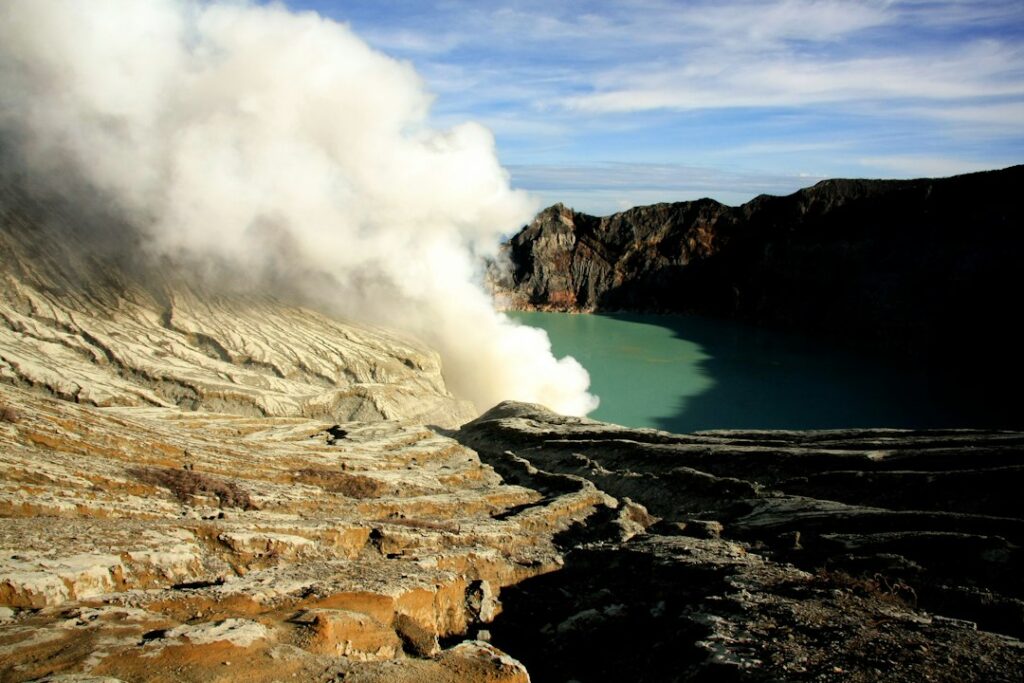
Kawah Ijen, located in East Java, Indonesia, is famous for its electric-blue flames and striking sulfur mining activity, but the crater also emits significant amounts of sulfur dioxide gas. The main hazards at Kawah Ijen are the toxic sulfur gases, steep and rocky hiking paths, and unpredictable weather conditions. Visitors who are unprepared or ignore safety protocols are at higher risk of respiratory distress, falls, or other accidents.
According to local safety authorities and travel advisories, the greatest risk comes from descending into the crater during periods of high volcanic activity or unfavorable wind direction, which can quickly concentrate hazardous gas levels. The Indonesian Volcanology and Geological Disaster Mitigation Center regularly updates alerts for the area, and respecting these advisories is critical for visitor safety.
How Dangerous Is Sulfur Gas at Ijen Crater?
Sulfur gas at Kawah Ijen can be extremely dangerous if inhaled in high concentrations, potentially leading to coughing, throat irritation, shortness of breath, or even more severe respiratory issues. The risk is highest near the crater’s edge and especially inside the crater itself, where miners work and tourists often descend to view the blue flames at night or early morning.
Sulfur dioxide levels can fluctuate rapidly, depending on wind direction and volcanic activity. The Indonesian Ministry of Environment and Forestry advises that brief exposure may cause discomfort, while prolonged or high-level exposure can be hazardous. People with asthma, chronic lung conditions, or other respiratory ailments are strongly advised to avoid entering the crater altogether.
Do You Really Need a Mask at Kawah Ijen?
Yes, wearing a proper gas mask is essential when visiting Kawah Ijen, especially if you plan to go near or inside the crater. Standard surgical masks or cloth coverings are not sufficient to protect against sulfur dioxide fumes; only certified respirator masks (such as N95 or P100, or those equipped with specific gas filters) provide adequate protection.
Most local guides and tour operators in Banyuwangi and Bondowoso offer gas mask rentals as part of their Kawah Ijen crater tour packages. Bringing your own mask or double-checking the quality of rented equipment is highly recommended. Masks should be worn before approaching the crater’s rim and kept on until you are well clear of any visible gas clouds.
What Precautions Should Hikers Take on the Ijen Trail?
Hiking to Kawah Ijen crater requires careful preparation and adherence to safety protocols due to steep, rocky, and sometimes slippery terrain. The trail from Paltuding basecamp to the crater rim is approximately 3 kilometers long with an elevation gain of about , taking most hikers between 1.5 to 2.5 hours to ascend.
Key precautions include:
- Wearing sturdy hiking shoes with good grip to prevent slips or falls.
- Bringing a flashlight or headlamp for pre-dawn or night hikes, as the path is unlit.
- Carrying layers of clothing for cold and windy conditions, especially at higher altitude.
- Staying hydrated and pacing yourself, as the climb can be strenuous.
Travelers with limited hiking experience or physical health concerns should consider hiring a local guide, who can assist in emergencies and ensure you follow the safest route.
Who Should Avoid Visiting Kawah Ijen?
People with pre-existing respiratory problems, heart conditions, or severe allergies are strongly discouraged from visiting Kawah Ijen, particularly from descending into the crater. Children under the age of 2 and pregnant women are also advised against visiting, due to the increased risks associated with sulfur gas exposure and the physical demands of the hike.
Travel advisories from Indonesian authorities and international embassies recommend consulting with a healthcare provider before planning your visit if you have health concerns. Local guides and tour operators often reserve the right to refuse entry to travelers they believe are unfit for the hike or crater descent, prioritizing visitor safety above all else.
What Are the Current Safety Regulations and Alerts at Kawah Ijen?
Safety at Kawah Ijen is regulated by the Indonesian Volcanology and Geological Disaster Mitigation Center, which issues regular updates on volcanic activity and access restrictions. Entrance to the crater may be temporarily closed during periods of elevated volcanic activity or when sulfur gas emissions exceed safe thresholds, as was the case during
Before visiting, travelers should check with the official Kawah Ijen tourist information center, follow any posted warnings at Paltuding basecamp, and comply with instructions from rangers and guides. Ignoring restrictions not only endangers your own safety but may also hinder rescue efforts and put others at risk.
Is It Safe to Hike Kawah Ijen Without a Guide?
While it is possible to hike to the Kawah Ijen crater rim independently, hiring a licensed local guide is strongly recommended for both safety and compliance with park regulations. Guides are trained to recognize changing conditions, provide gas masks, and assist in emergencies. They are also knowledgeable about the best times to visit and how to minimize exposure to sulfur gas, especially for those wishing to witness the blue fire phenomenon.
Tour packages from reputable companies such as Ijen Tour – Blue Fire Ijen typically include guide services, gas mask rental, and transportation, making the experience safer and more enjoyable. Solo travelers may be at a disadvantage if weather or volcanic conditions suddenly change, so traveling with a group or guide is the preferred option for most visitors.
Conclusion: How to Visit Kawah Ijen Safely
Visiting Kawah Ijen can be a breathtaking and memorable adventure when approached with respect for nature’s power and careful planning. The key to a safe experience is staying informed about current volcanic activity, using proper safety equipment like certified gas masks, and following the guidance of local experts. By taking these precautions, you can safely enjoy the unique blue fire, the surreal crater lake, and the remarkable landscapes of Kawah Ijen.
Ready to witness the magic of Kawah Ijen’s blue flames? Book your Ijen Crater Tour with Ijen Tour – Blue Fire Ijen for a safe and unforgettable journey with professional guides and all the necessary safety gear included. Contact us today to start planning your adventure!
Frequently Asked Questions
Is it safe to hike Kawah Ijen without a guide?
While it is possible to hike Kawah Ijen independently, going with a licensed local guide is strongly recommended. Guides help ensure you follow the safest routes, stay updated on current volcanic conditions, and provide assistance in emergencies, making your visit significantly safer.
What type of mask should I bring to Kawah Ijen?
You should bring a certified respirator mask, such as an N95, P100, or one equipped with specific gas filters. Standard cloth or surgical masks are not effective against sulfur dioxide fumes. Many local guides and tour operators also offer proper gas mask rentals for visitors.
Who is not recommended to visit Kawah Ijen crater?
People with respiratory or heart conditions, severe allergies, pregnant women, and young children are advised not to visit Kawah Ijen, especially the crater area. The risks from sulfur gas exposure and the physically demanding hike make it unsuitable for these groups.
How can I check if Kawah Ijen is open before visiting?
To confirm if Kawah Ijen is open, check updates from the Indonesian Volcanology and Geological Disaster Mitigation Center or contact the official Kawah Ijen tourist information center. Access may be restricted during high volcanic activity or unsafe sulfur gas levels.