
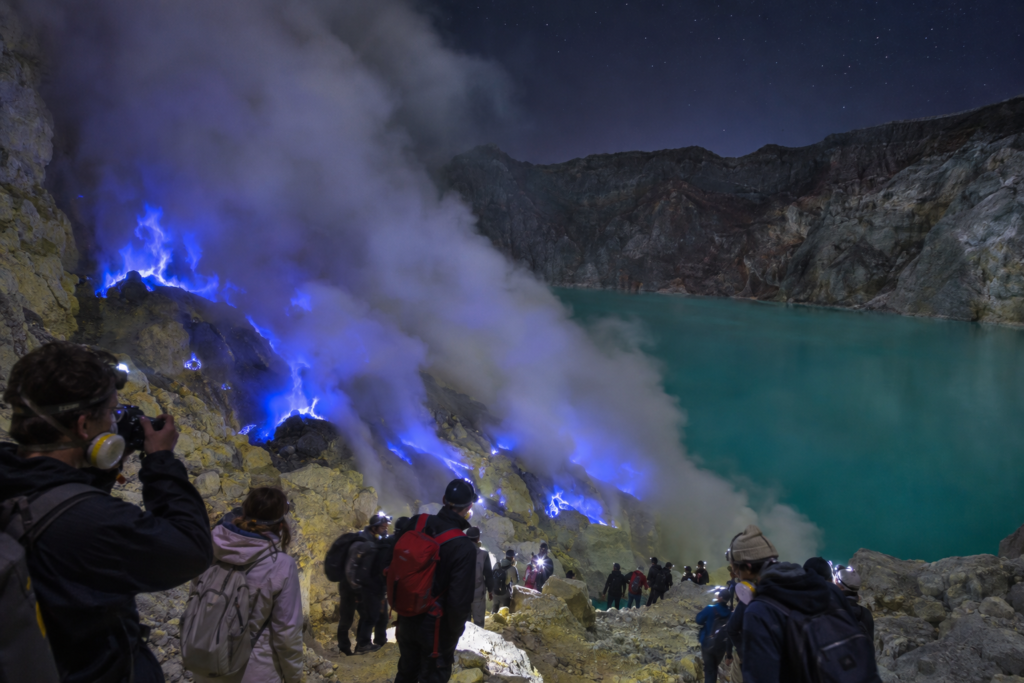
The Ijen Crater, located in East Java, is famous for its unique blue fire phenomenon, challenging hiking trails, and breathtaking sulfur lake views. Travelers typically begin their hike at midnight to witness the blue fire at its brightest before sunrise, with guided tours recommended for safety and an optimal experience. Preparation with proper gear, physical readiness, and knowledge of local regulations is essential for a successful Ijen Crater adventure.
- Ijen Crater is renowned for its rare blue fire and dramatic volcanic landscape.
- Hiking usually starts at midnight to catch the blue fire before dawn.
- Guided tours enhance safety and provide expert insights on the trek and local sulfur mining activity.
- Proper preparation, including physical readiness and essential gear, is crucial for a comfortable and safe hike.
What Makes the Ijen Crater and Its Blue Fire So Famous?
The Ijen Crater in East Java is one of only a few places on Earth where you can witness the natural phenomenon of blue fire, caused by sulfuric gases igniting as they emerge from the cracks of the volcano at high temperatures. The sight of the glowing blue flames against the darkness draws visitors worldwide, making the Ijen Crater a bucket-list destination for adventurous travelers.
The blue fire is only visible in the darkness before sunrise, making the timing of your visit crucial. According to travel guides and local authorities, the best time to observe this spectacle is between midnight and 4 a.m. Besides the blue fire, the crater features a large turquoise acid lake and an active sulfur mining area, both adding depth to the overall experience.
How Do You Prepare for the Hike to Ijen Crater?
Preparation for hiking Ijen Crater involves physical, logistical, and safety considerations. The trek starts at Paltuding Basecamp, typically around midnight, and covers approximately 3 kilometers one way, with the final descent into the crater being steep and rocky. Most hikers complete the round trip in 4-5 hours.
It is essential to wear sturdy hiking shoes, bring a headlamp or flashlight, and wear layers, as temperatures can drop below 5°C – 12°C during the early morning hours. Gas masks are strongly recommended due to the high sulfur concentration near the crater, and many tour operators provide these as part of their package. Bringing water, energy snacks, and a camera are also advised.
What is the Hiking Experience Like on Mount Ijen?
Hiking Mount Ijen offers a moderately challenging trek suitable for those with basic fitness levels. The trail begins with a gradual incline through forested paths before becoming steeper and more rugged as you approach the crater rim. The final section, leading down to the blue fire, is the most demanding, with loose rocks and a strong sulfur odor.
During the ascent, hikers are often accompanied by local sulfur miners who transport heavy loads from the crater. This unique sight provides insight into the daily lives of the miners and the economic importance of sulfur extraction in the region. Sunrise at the crater rim reveals panoramic views of the turquoise lake, dramatic cliffs, and the surrounding mountain landscape, making the effort worthwhile.
What Are the Safety and Environmental Regulations at Ijen Crater?
Safety and environmental protection are top priorities at Ijen Crater, according to the East Java Natural Resources Conservation Center (BKSDA Jawa Timur). Visitors are required to stay on designated trails and refrain from swimming or touching the acidic crater lake, which contains hazardous chemicals. The use of gas masks is mandatory when descending into the crater, especially near the blue fire and sulfur vents.
To preserve the fragile ecosystem, littering is strictly prohibited, and visitors are encouraged to minimize their impact by following Leave No Trace principles. The number of visitors allowed per day may be limited during peak seasons or hazardous volcanic activity, and temporary closures are enforced in case of increased volcanic risk, as announced by local authorities.
When is the Best Time to Visit Ijen Crater?
The dry season, from April to October, is generally considered the best time to visit Ijen Crater, as the trails are safer and the chances of clear views are higher. During the rainy season, which spans from November to March, the paths can become slippery, and visibility may be reduced due to mist and rain. Local tourism agencies recommend checking weather updates and volcano activity status before planning your trip, as conditions can change rapidly.
Weekdays are usually less crowded than weekends or public holidays, providing a more tranquil hiking experience. The blue fire is visible year-round, but a clear night enhances the visual impact.
What Should You Bring on Your Ijen Crater Adventure?
Packing the right gear ensures a safe and comfortable hike up Mount Ijen. Essential items include:
- Sturdy hiking shoes for uneven terrain
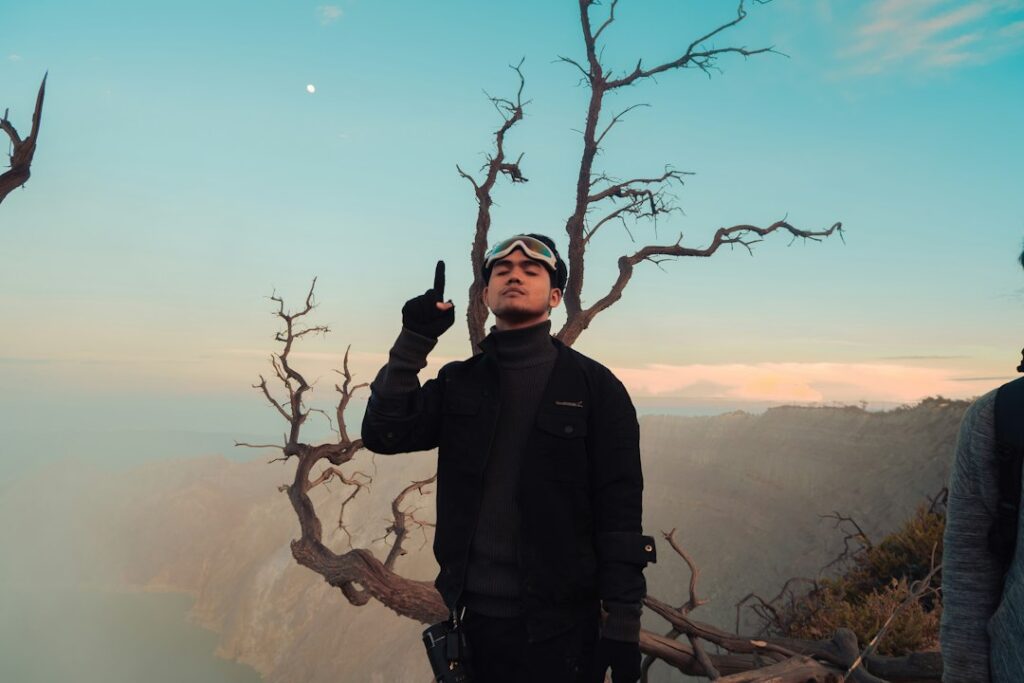
- Warm clothing, including a windproof jacket and hat
- Headlamp or flashlight with extra batteries
- Gas mask (often provided by tour operators)
- Water and energy snacks for hydration and stamina
- Camera or smartphone for capturing the blue fire and sunrise
- Personal identification and cash for entry fees and local purchases
Travelers should also carry a small backpack, avoid carrying unnecessary valuables, and ensure all items are secured and waterproofed in case of rain.
Should You Join a Guided Tour or Go Independently?
Both guided tours and independent hikes are possible at Ijen Crater, but guided tours offer several advantages, especially for first-time visitors. Local guides are familiar with the terrain, safety protocols, and the best spots for viewing the blue fire and sunrise. They also provide gas masks and assist in case of emergencies.
Joining a tour group simplifies transportation, as most packages include pick-up from nearby towns like Banyuwangi or Bondowoso, entry permits, and sometimes meals. Independent travelers must arrange their own logistics, obtain permits at Paltuding Basecamp, and ensure they have all necessary equipment and information about current conditions.
Conclusion: Plan Your Unforgettable Ijen Crater Journey
The Ijen Crater offers an extraordinary blend of natural wonder, physical challenge, and local culture, making it one of Indonesia’s most compelling adventure destinations. With preparation, respect for safety and the environment, and an early start, you can witness the stunning blue fire and breathtaking sunrise over the world’s largest acidic crater lake. Ready to experience the magic of Mount Ijen for yourself? Book your Ijen Tour Package today and start planning your journey to East Java’s legendary volcano!
Frequently Asked Questions
Is it safe to hike Ijen Crater at night?
Hiking Ijen Crater at night is generally safe when following local regulations and using proper equipment, such as headlamps and gas masks. Guided tours are recommended for added safety and expert guidance, especially due to the steep, rocky trails and high sulfur concentration near the crater.
What equipment is necessary for the Ijen Crater hike?
Essential equipment for the Ijen Crater hike includes sturdy hiking shoes, warm layered clothing, a headlamp or flashlight, a gas mask, water, energy snacks, and a camera. A small backpack is useful for carrying your gear, and waterproofing items is advised in case of rain.
Can you visit Ijen Crater during the rainy season?
Visiting Ijen Crater during the rainy season is possible, but trails can be slippery and visibility may be reduced due to mist and rain. It is important to check weather updates and volcano activity status before planning your trip, as conditions can change quickly.
Are there restrictions on visitor numbers at Ijen Crater?
The number of visitors to Ijen Crater may be limited during peak seasons or hazardous volcanic activity. Temporary closures can occur if volcanic risk increases, as announced by local authorities. These measures help ensure safety and protect the environment.