
The Mount Ijen sunrise hike offers trekkers a challenging yet rewarding experience, highlighted by breathtaking views of the blue fire phenomenon, the turquoise crater lake, and the sunrise over East Java’s volcanic landscape. To prepare, hikers should expect a steep 3-kilometer climb, cool temperatures, and the need for proper gear, including gas masks to handle sulfur fumes.
- The Mount Ijen sunrise hike includes a night ascent to witness the rare blue fire and a stunning sunrise view from the crater rim.
- Preparation involves physical readiness, warm layered clothing, and essential hiking equipment like sturdy shoes and gas masks.
- Travelers should be aware of safety guidelines, local regulations, and the best seasons for hiking.
- Guided tours, such as those offered by Ijen Tour – Blue Fire Ijen, can provide valuable support and ensure a safe experience.
What Is the Mount Ijen Sunrise Hike Experience Like?
The Mount Ijen sunrise hike typically starts around midnight or early morning from the Paltuding base camp, aiming to reach the crater rim in time for sunrise. Trekkers ascend approximately 3 kilometers on a well-marked trail, with the journey taking between 1.5 to 2.5 hours depending on fitness levels. The hike is renowned for the blue fire phenomenon, visible before dawn, and the ethereal sunrise illuminating the sulfuric crater lake.
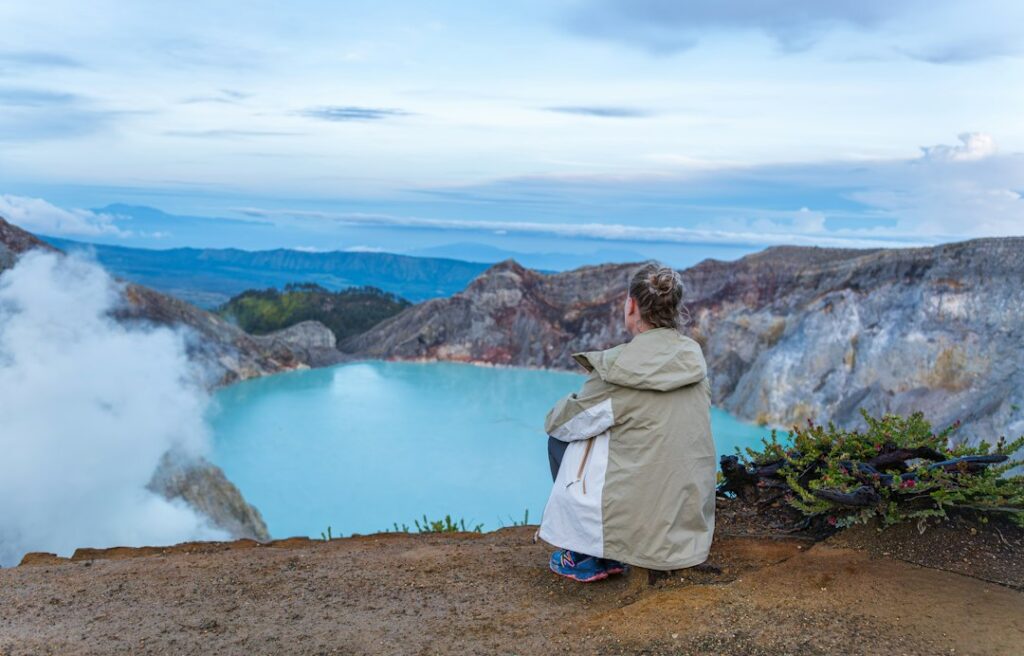
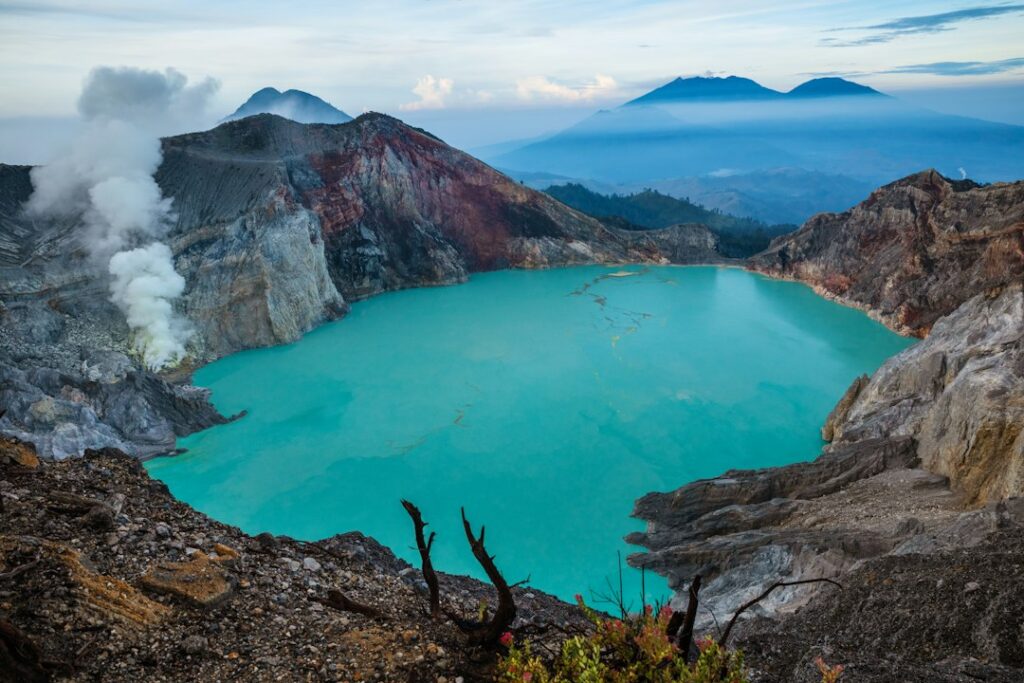
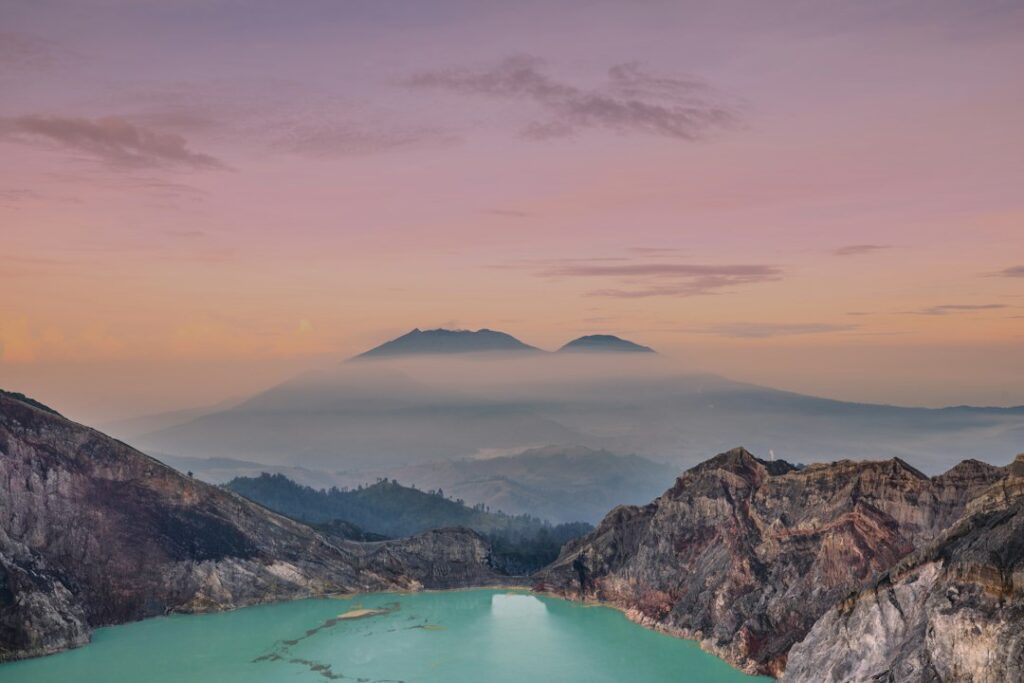
Hikers can expect a moderate to challenging trek, with the initial section being the steepest. Upon reaching the rim, the reward is a panoramic view of the turquoise Ijen Crater lake — one of the world’s largest acidic crater lakes — and the surrounding volcanic landscape. The sunrise paints the sky in vibrant colors, making the early start and physical effort worthwhile.
Why Is the Blue Fire Phenomenon at Mount Ijen Special?
The blue fire at Mount Ijen is a rare natural occurrence resulting from the combustion of sulfuric gases that emerge from cracks in the volcano at high temperatures. According to geological sources, this phenomenon can only be seen in a few places worldwide, making Mount Ijen in East Java, Indonesia, uniquely famous among adventurers and photographers.
To witness the blue fire, visitors must descend into the crater before sunrise, guided by experienced local miners or tour operators. The spectacle is best observed in total darkness, which is why the hike begins at night. It is important to note that due to the presence of toxic sulfur gases, wearing a gas mask is mandatory for safety.
How Should You Prepare for the Mount Ijen Sunrise Hike?
Preparation for the Mount Ijen sunrise hike is essential to ensure safety and enjoyment. The trail, while accessible to most people with a basic fitness level, involves steep inclines and can be challenging due to the altitude and low temperatures.
- Physical readiness: Engage in regular cardio and strength training exercises in the weeks leading up to your trip.
- Warm clothing: Temperatures at the crater rim can drop below , so layered clothing, hats, and gloves are recommended.
- Proper footwear: Hiking shoes with good grip are crucial due to the rocky and sometimes slippery terrain.
- Gas mask: Essential for protection against sulfur fumes, which can become intense near the crater. Tour operators usually provide these, or they can be rented at the base camp.
- Headlamp or flashlight: Required for visibility during the night ascent.
- Water and snacks: Bring enough to stay hydrated and maintain energy levels, as facilities are limited along the trail.
When Is the Best Time to Hike Mount Ijen for Sunrise?
The optimal time for the Mount Ijen sunrise hike is during the dry season, which generally runs from May to September according to Indonesia’s meteorological agency. During this period, the trails are less slippery, the sky is clearer, and the sunrise is more likely to be visible without obstruction from clouds or rain.
While the hike is possible year-round, the rainy season (October to April) can bring muddy conditions and reduced visibility. For the best experience, plan your trip in advance and check the latest weather forecasts before setting out.
What Are the Safety Guidelines and Regulations for Mount Ijen Hikers?
Safety is a top priority when hiking Mount Ijen, especially due to the presence of active sulfur mining and toxic gases. The local authorities (Balai Besar Konservasi Sumber Daya Alam Jawa Timur) enforce regulations to protect both visitors and the environment. These include mandatory use of gas masks within the crater and restricted access during periods of high volcanic activity.
It’s important to follow your guide’s instructions at all times, stay on the designated trails, and avoid venturing too close to mining operations for your own safety. If you have respiratory conditions, consult with your doctor before attempting the hike, as the sulfur fumes can be hazardous.
Should You Book a Guided Tour for the Mount Ijen Sunrise Hike?
Booking a guided tour with a reputable operator like Ijen Tour – Blue Fire Ijen is highly recommended, especially for first-timers or those unfamiliar with East Java’s terrain. Guides not only provide essential equipment like gas masks and headlamps but also ensure you navigate the trails safely, share insights about the geology and local culture, and assist in emergencies.
Many tours offer hotel pick-up, transport to and from the base camp, entrance fees, and logistical support, making the experience hassle-free and more enjoyable. Group sizes and inclusions vary, so compare several options to find the best fit for your needs and budget.
What Else Should You Know Before Hiking Mount Ijen at Sunrise?
Beyond the physical and logistical preparations, hikers should be mindful of the environmental impact of their visit. The Ijen Crater is home to both unique geological features and a community of sulfur miners whose livelihoods depend on the volcano. Respecting local customs, minimizing waste, and supporting responsible tourism initiatives help preserve Mount Ijen for future generations.
Finally, remember that the hike is as much about the journey as it is about the destination. Take time to appreciate the night sky, the sounds of nature, and the camaraderie with fellow adventurers as you make your way to one of Indonesia’s most iconic sunrise spots.
Conclusion: Ready for Your Mount Ijen Sunrise Adventure?
Mount Ijen’s sunrise hike is a once-in-a-lifetime experience combining physical challenge, natural wonders, and cultural insights. With proper preparation, respect for safety guidelines, and the support of a knowledgeable guide, you’ll be rewarded with unforgettable memories and breathtaking views. Ready to plan your journey? Contact Ijen Tour – Blue Fire Ijen today to book your guided Mount Ijen sunrise hike and embark on an adventure you’ll never forget!
Frequently Asked Questions
Is it safe to hike Mount Ijen without a guide?
While it is possible to hike Mount Ijen independently, joining a guided tour is highly recommended for safety, especially due to the presence of sulfur gases and challenging terrain. Guides provide essential equipment, ensure you follow safety protocols, and assist in emergencies, making the experience safer and more manageable.
What equipment is necessary for the Mount Ijen sunrise hike?
Essential equipment for the Mount Ijen sunrise hike includes warm layered clothing, sturdy hiking shoes with good grip, a gas mask for sulfur fumes, a headlamp or flashlight for the night ascent, and enough water and snacks. These items help ensure safety and comfort during the trek.
When is the weather best for seeing the sunrise at Mount Ijen?
The best weather for viewing the sunrise at Mount Ijen is during the dry season, from May to September. During these months, the trails are less slippery and the sky is usually clearer, increasing your chances of witnessing a beautiful sunrise without cloud or rain obstruction.
Can people with respiratory issues hike Mount Ijen?
People with respiratory conditions should consult their doctor before attempting the Mount Ijen hike. The presence of sulfur fumes near the crater can be hazardous, and safety guidelines require the use of gas masks. It is important to consider personal health before undertaking the trek.