
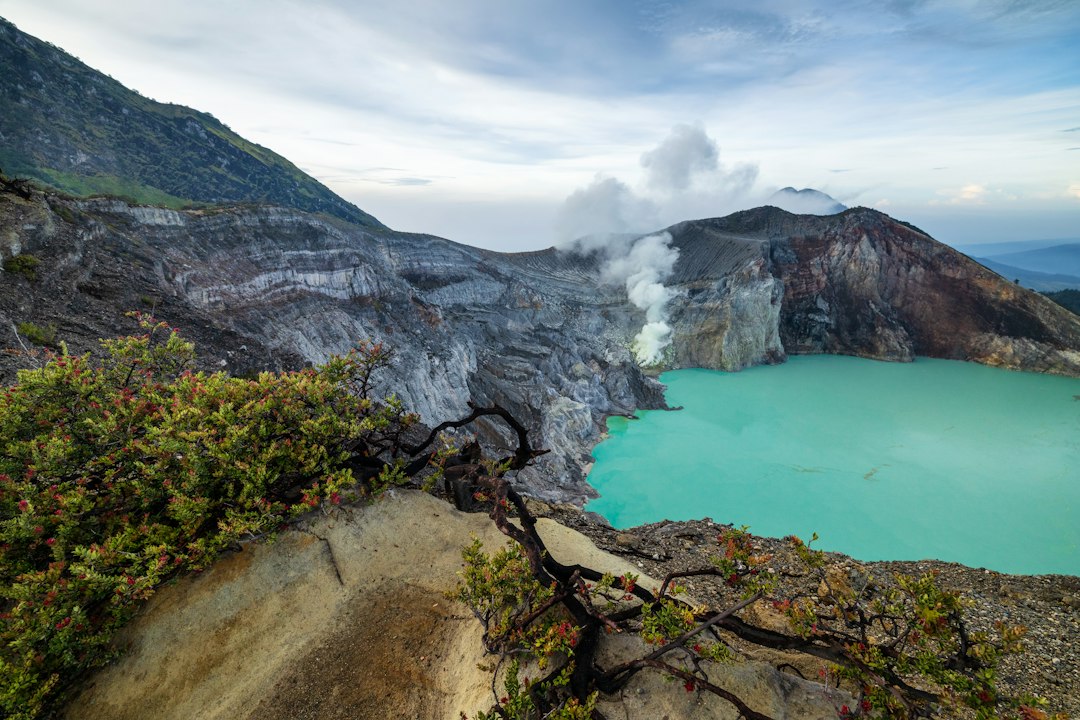
The best time to visit Mount Ijen to witness the Blue Fire phenomenon is during the dry season from May to September, with the most visible blue fire appearing between 1 AM and 4 AM before sunrise. These months offer clear skies and safer hiking conditions, maximizing your chances for an unforgettable experience.
- The Blue Fire in Mount Ijen is best seen between 1 AM and 4 AM before sunrise.
- May to September, the dry season, offers the safest and clearest conditions for hiking and viewing.
- Rainy months can make the trail slippery and visibility poor, reducing your chances to see the phenomenon.
- Proper planning and preparation are essential for a successful Mount Ijen Blue Fire tour.
What Is the Blue Fire Phenomenon at Mount Ijen?
Mount Ijen, located in East Java, Indonesia, is famous worldwide for its rare Blue Fire phenomenon. The mesmerizing blue flames are caused by the combustion of sulfuric gases, which emerge from cracks in the volcano at high temperatures and ignite upon contact with air. Unlike ordinary flames, the blue color is only visible in total darkness, making a nighttime trek essential for visitors.
According to information from local guides and travel agencies, witnessing the Blue Fire phenomenon is a unique experience only possible in a few places on Earth. Mount Ijen’s crater is open to tourists year-round, but the visibility and safety of the trek depend heavily on the season and time of day.
When Is the Best Time to See the Blue Fire at Mount Ijen?
The ideal time to see the Blue Fire at Mount Ijen is during the dry season, which typically runs from May to September. During these months, rainfall is minimal, and the skies are clearer, making for safer hiking conditions and better visibility of the blue flames. The phenomenon is most visible between 1 AM and 4 AM, before sunrise, when darkness enhances the intensity of the blue flames.
Travelers should avoid visiting during the rainy season, usually from October to April, as heavy rain can make the trails slippery and dangerous. Additionally, fog and clouds can obscure the view of the crater and the blue fire, diminishing the experience. Local park authorities often update trail conditions, so it’s wise to check recent reports before planning your trip.
How Does Weather Affect the Blue Fire Experience at Mount Ijen?
Weather plays a crucial role in the visibility and safety of the Blue Fire experience at Mount Ijen. During dry months, the trail is more stable and easier to navigate, while clear skies reveal breathtaking views of the crater and surrounding landscape. In contrast, wet conditions can increase the risk of landslides, make the path hazardous, and reduce the chances of seeing the blue flames due to mist and low clouds.
According to information from Indonesia’s Meteorology, Climatology, and Geophysical Agency (BMKG), rainfall in East Java peaks between December and February . Travelers should consider this data when scheduling their visit and always check local weather forecasts before hiking.
What Should You Prepare for a Mount Ijen Blue Fire Tour?
Preparation is key to a successful Mount Ijen Blue Fire tour. Since the trek starts at midnight, visitors should bring warm clothing, as temperatures at the crater rim can drop significantly. Good hiking shoes, headlamps, and gas masks are essential for navigating the rocky paths and protecting yourself from sulfur fumes.
- Bring enough water and energy snacks for the hike.
- Wear layered clothing to adjust to changing temperatures.
- Always follow local guide instructions for safety, especially near the crater rim.
- Check for the latest updates on trail accessibility from the official Mount Ijen tourism office.
Many tour operators, such as Ijen Tour Package, provide guided night treks, equipment rental, and transportation, making it easier for visitors to focus on the experience rather than logistics.
Conclusion: Plan Your Mount Ijen Blue Fire Adventure Wisely
Witnessing the Blue Fire at Mount Ijen is a truly magical experience, but timing and preparation are crucial to making the most of your adventure. Visiting between May and September, starting your trek before midnight, and preparing with the right gear and local information will maximize your chances for an unforgettable journey. Ready to see this natural wonder for yourself? Book your Mount Ijen Blue Fire tour with Ijen Tour Package today and start planning your once-in-a-lifetime adventure!
Pertanyaan yang Sering Diajukan
What causes the blue fire at Mount Ijen?
The blue fire at Mount Ijen is produced when sulfuric gases escape from cracks in the volcano at high temperatures and ignite upon contact with air. This combustion creates striking blue flames, which are visible only in total darkness, making nighttime visits necessary to witness the phenomenon.
When is the safest time to hike Mount Ijen for the blue fire?
The safest time to hike Mount Ijen for the blue fire is during the dry season, from May to September. These months offer minimal rainfall and clearer skies, resulting in more stable trails and better visibility, which are important for both safety and enjoying the blue fire.
What should I bring for a Mount Ijen blue fire tour?
For a Mount Ijen blue fire tour, you should bring warm layered clothing, sturdy hiking shoes, a headlamp, a gas mask, enough water, and energy snacks. These items help you stay comfortable and safe during the midnight trek and protect you from cold temperatures and sulfur fumes near the crater.
How does weather impact the visibility of the blue fire at Mount Ijen?
Weather greatly affects blue fire visibility at Mount Ijen. Dry weather provides stable trails and clear views, while rain can make paths slippery and reduce visibility due to fog and clouds. Wet conditions also increase safety risks, so checking weather forecasts before your visit is important.